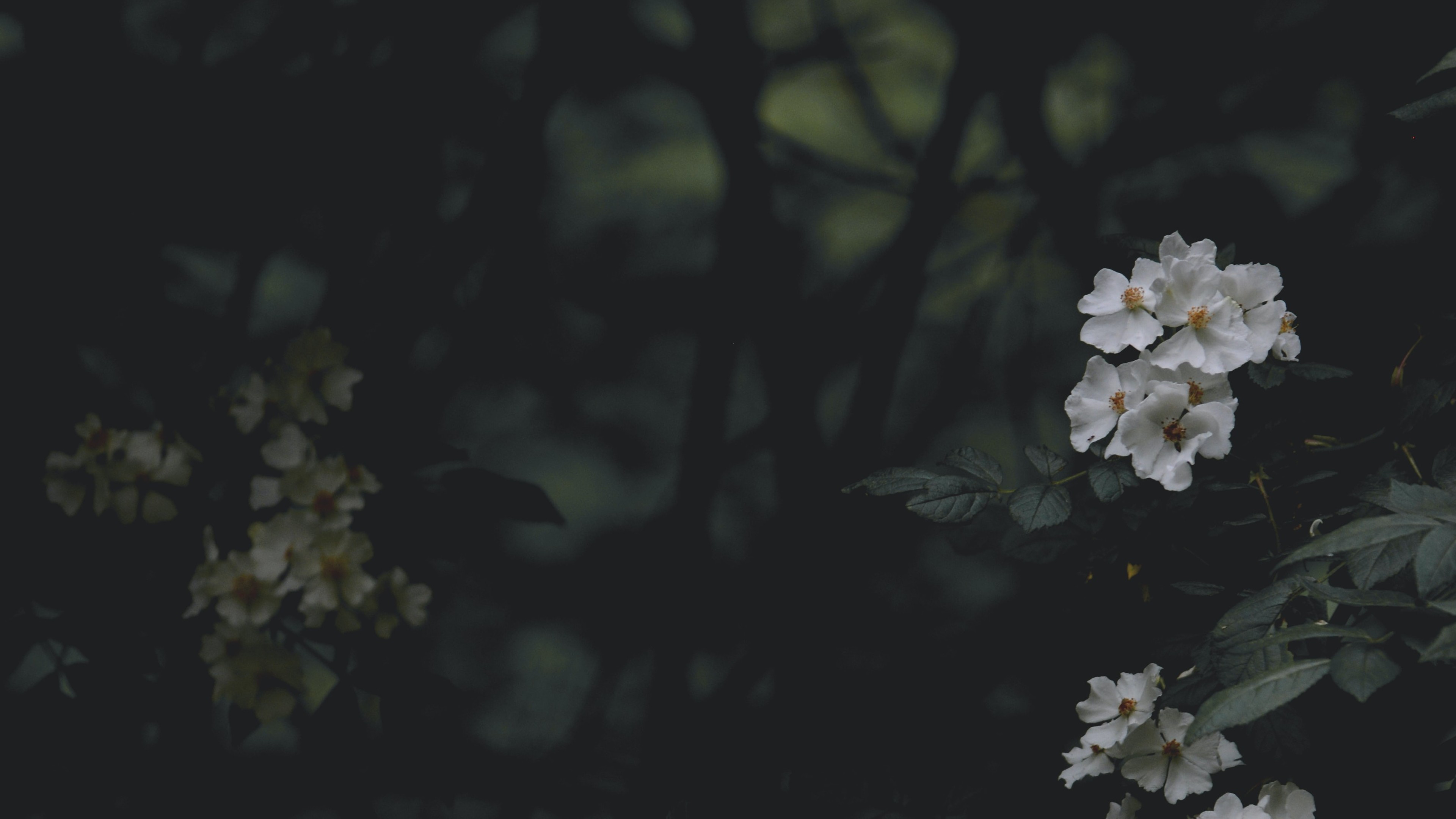
Bodies-Branches by Federica Santini
So from that splinter issued forth together
Both words and blood
—Dante, Inferno XIII
Knotted trees hold the body shards
left behind, breasts sweet as fruit
hands blooming on branches
Your eyes are leaves, the wing
of your neck curves with the quiet
rhythm of roots, our entwined fingers
fragments of fronds: what had been us
comes to fruition in salvaged, fractured,
repurposed small wreckages of mouths
Swollen lips-leafage swallow the end
of the black forest, our broken forms
whole, blooming anew
Bio
Federica Santini lives in Atlanta, GA, and teaches at Kennesaw State University. She holds an MA from the University of Siena, Italy, and a PhD from UCLA. Her work has been published widely in North America and Europe. Her chapbook, Unearthed, is forthcoming with Kelsay Books.
Author's note
In Bodies-Branches, I revisited the gruesome bleeding trees that appear in Dante’s Inferno. In Canto 13, Dante takes us to a menacing forest, in which people who took their own life are transformed into trees and plants while still maintaining their human essence—here Dante himself is looking at the classical world and borrowing freely from Virgil (the episode of Polydorus in the Aeneid). At the core of Dante’s canto there is the idea that a negative metamorphosis into trees has diminished the souls by depriving them of part of their humanity: I worked on a reversal, trying to show how vegetative and human life cannot and should not be ranked but rather are part of a same universe in which both are fully sentient and whole. In this poem, even in the abyss of despair there is transformation and rebirth through nature. While doing that, I turned Dante’s masculine souls into metamorphized, post-human feminine entities that can renew themselves, not unlike Daphne finding safety and shelter in her new life as a laurel tree.