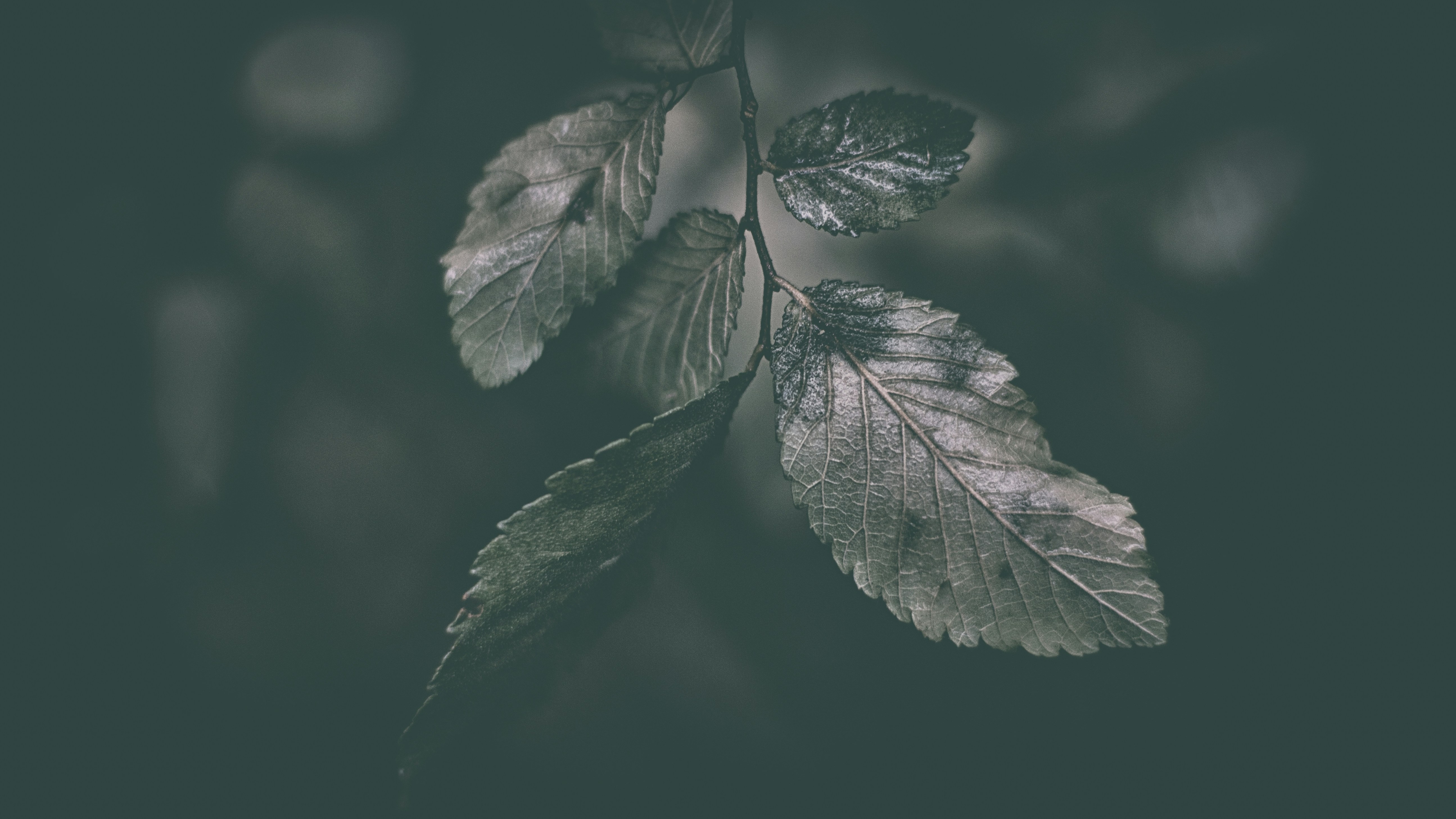
Daphne, the Sarcophagus by Katherine Sotol
They said, “Be still. You’re safe,”
I say, “But not for you three.”
Oracle saw,
But still believes in smoke.
I burn rage, choking her.
River rescued,
But leaves me still rooted.
I hurl betrayal, drowning him.
Sun grieved,
But steals leaves to crown rape.
I radiate darkness, shrouding him.
They died,
Leaving a still life
Of flesh-eating poison,
Neither stone nor dead.
Bio
Katherine Sotol lives in the Pacific Northwest, where she writes poetry, fiction and screenplays.
Author's note
Daphne got a really bad deal. Her father “saved” her from being raped by turning her into a laurel tree. A nymph who had loved running through the woods, Daphne became still in all senses of the word. But it took two pieces of information to really crank up the images. First, all laurels, except the bay, produce hydrocyanic acid and are, therefore, poisonous. Second, “sarcophagus” means “flesh eater,” in Greek. The Greeks made their sarcophagi out of limestone, which, being acidic, dissolved the bodies. Suddenly, Daphne wasn’t just a victim. And I had my mythological revision.