When our daughter Persephone told us goodbye,
told us she was dying now, told us she could feel
death weighing her liver, her brain, her two young breasts,
like a checker at Safeway, hands quick but careful,
we said that she was wrong, but we should have listened.
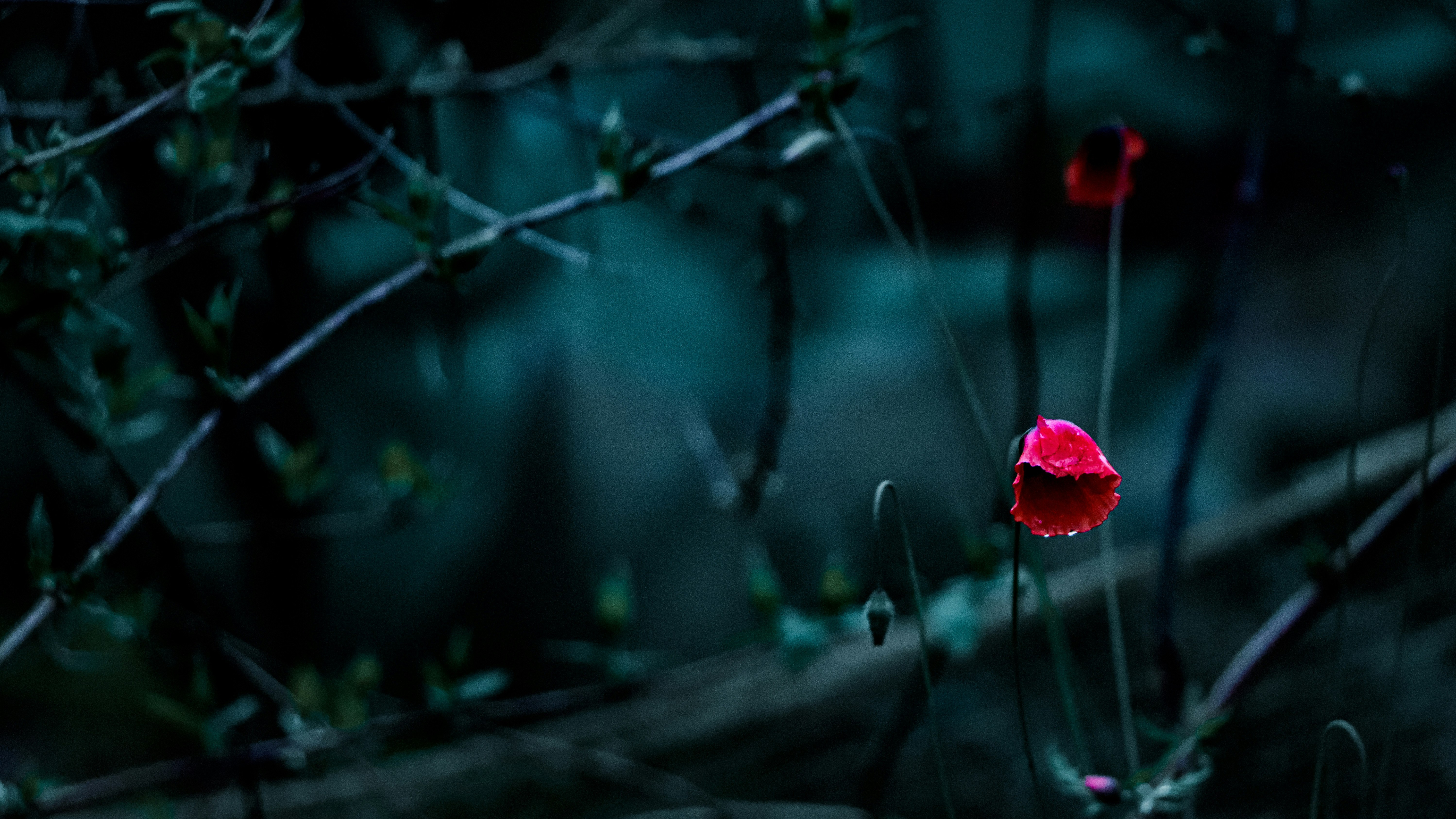
She had tasted the poppy's white resin, wandered
in death's dark domain so knew his touch, his grip,
the taste of pomegranate sitting on her tongue.
But we, by doctors bewitched, made her Cassandra
denying what she felt and knew, ourselves believing
instead the CT scan, the magic stethoscope,
doctors' divination by biopsy, blood work,
and backlit clouds, their constant rush and protocols.
She knew him in and out and day and night, knew dark,
and knew her only body had betrayed her, had
allegiance pledged to him and not to her, sad truth.
And we in our refusal did betray her too.
Bio
Cecil Morris retired after 37 years of teaching English, and now he tries writing what he spent so many years teaching others to understand and (he hopes) to enjoy. He has poems appearing or forthcoming in Cimarron Review, The Ekphrastic Review, English Journal, Sugar House Review, Rust + Moth, Talking River Review, and other literary magazines.
Author's note
I am not sure what to say about my poem “When We Denied What Persephone Knew” that the
poem does not say for itself. When our daughter, still in her late 30s, a Registered Nurse with a
Masters’ in Public Health, passed away less than a year after being diagnosed with breast cancer,
we struggled with the slow agony of her treatment and its apparent success that was followed by
a swift and fatal metastasis into her brain. She had, in her early 30s, struggled with and
overcome an opioid addiction and returned to work in medical informatics. I imagined her bout
with addiction to be like Persephone’s capture by Hades, her addiction like a visit to the
underworld. While she was undergoing the chemo and surgery and preparing for radiation,
doing all that medicine had to offer, she insisted she knew she was dying and, as I later sat in my
grief, I imagined her foreknowledge of her fate not the result of her greater understanding of her
symptoms and the limits of medicine but the special insight gained from stint in the underworld.
Our refusal to believe her predictions about her future turned our Persephone into Cassandra.