Note to reader: this piece looks best when viewed on a larger screen. Some formatting may not display correctly on mobile.
bone walled witch by Fawnia Winter Mountford
inside the forest's ribcage
she waits
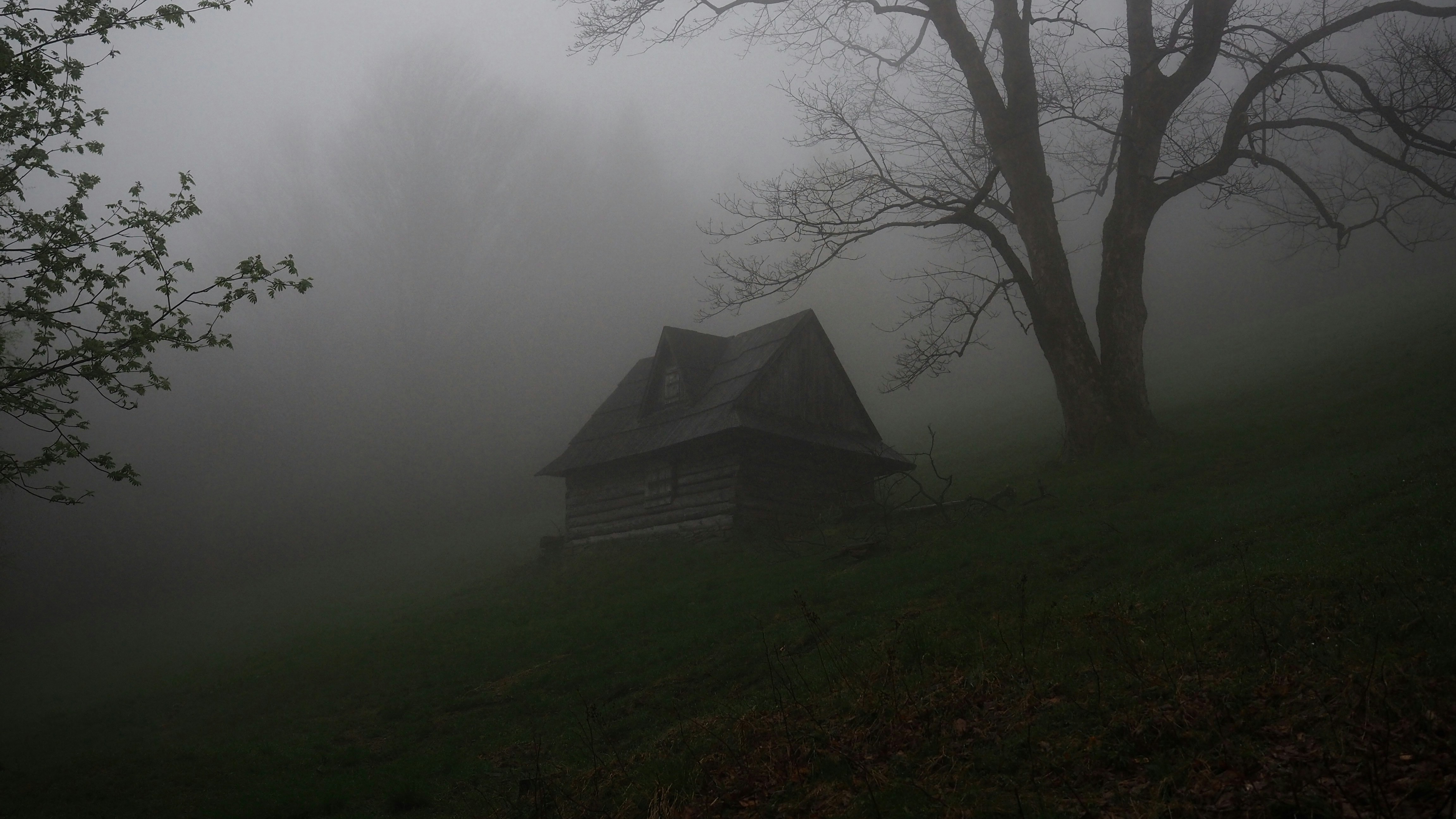
house perched on chicken-legs
stilted like a wading
bird.
they call her chaos
devourer
the crone with iron teeth
they never name her
hunger.
as you enter her forest
girl-child
red cheeks
and trembling knees
seeking Baba Yaga.
you stand at her gate
mouth agape
swollen with questions
you dare not speak aloud.
she will test you
your wits
your courage
your willingness to bite.
as she grinds you down
grains in her pestle
she will feed you what you fear.
when you emerge
you will wear a new skin
stitched from her wisdom and your
survival.
her story has no ending
an eternal lesson for girls who learn
to outwit their
darkness.
& the women who taught them
how to sharpen their edge
against the corners of the
world.
Bio
Fawnia Winter Mountford is a Scottish/Australian poet whose writing explores memory, myth, grief and the uncanny. Her poetry has appeared in Spellbinder Quarterly, Poets Row, Thimble Literary Magazine and is forthcoming in Womancraft Publishing Compendium 3. She is working on a poetry cycle about The Cailleach.
Author's note
I wrote "bone walled witch" in response to one of my favourite mythological figures, the Slavic witch Baba Yaga. She belongs to that strange, thorny lineage of the “monstrous feminine”: a woman whose power exists beyond the boundaries of what society traditionally considers acceptable femininity. Baba Yaga’s grotesque appearance, cannibalistic hunger and rabid violence challenge the expectation that women should be gentle, nurturing or inherently benevolent.
In this poem, I wanted to reclaim the witch symbolism of Baba Yaga as something more than a figure of fear and revulsion. To me, she becomes an inspirational archetype of female autonomy, resistance and the freedom to exist outside traditional society. This poem is an offering to the woman who has been called monstrous for refusing to disappear.