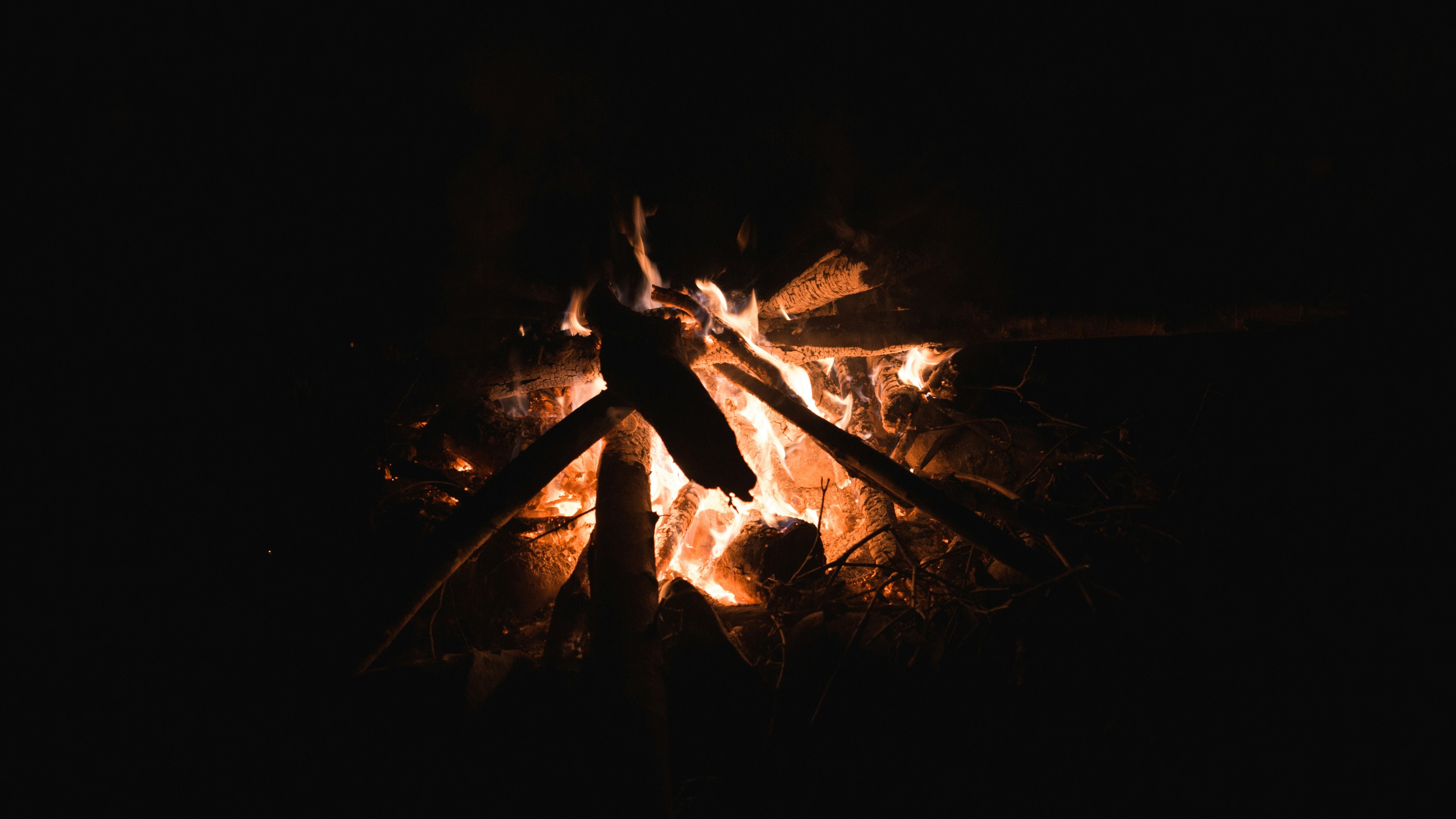
The Queimada Burns the Women by Dolo Diaz
You set the liquor on fire: Burning Water, made from fermented skins of
Albariño grapes. Drop in lemon peel, coffee beans, strike a match. It
burns and burns in a large clay pot set on the ground on three clay feet.
With a clay ladle you lift the spirit and let it pour back into itself, ribbons
of blue flame. Everything grows quiet. Pupils reflect the fire, the spell, the
conxuro. It begins with two kinds of owls. Frogs and salamanders, rabbit
feet, the stench of the dead. And then the women. Witches fare well in
Celtic lands, rulers of ancient foggy hills. They straddle brooms defiantly,
don’t give a damn. The conxuro has them bathing on beaches of thick
sand, elbows rubbing with the forces of Hell. But their human forms—
the women—just burn. For the evil of their barren wombs. For the sharp
tongues of those married to old men. You hear their roars. They burn in
the burning water. As a child, my spell: watching the circle of fire—I
want to grow up to be a witch.