Nympholepsy by Mark J. Mitchell

"A rapt state induced by craving for the unattainable."
The Little Oxford Dictionary, 1934 edition


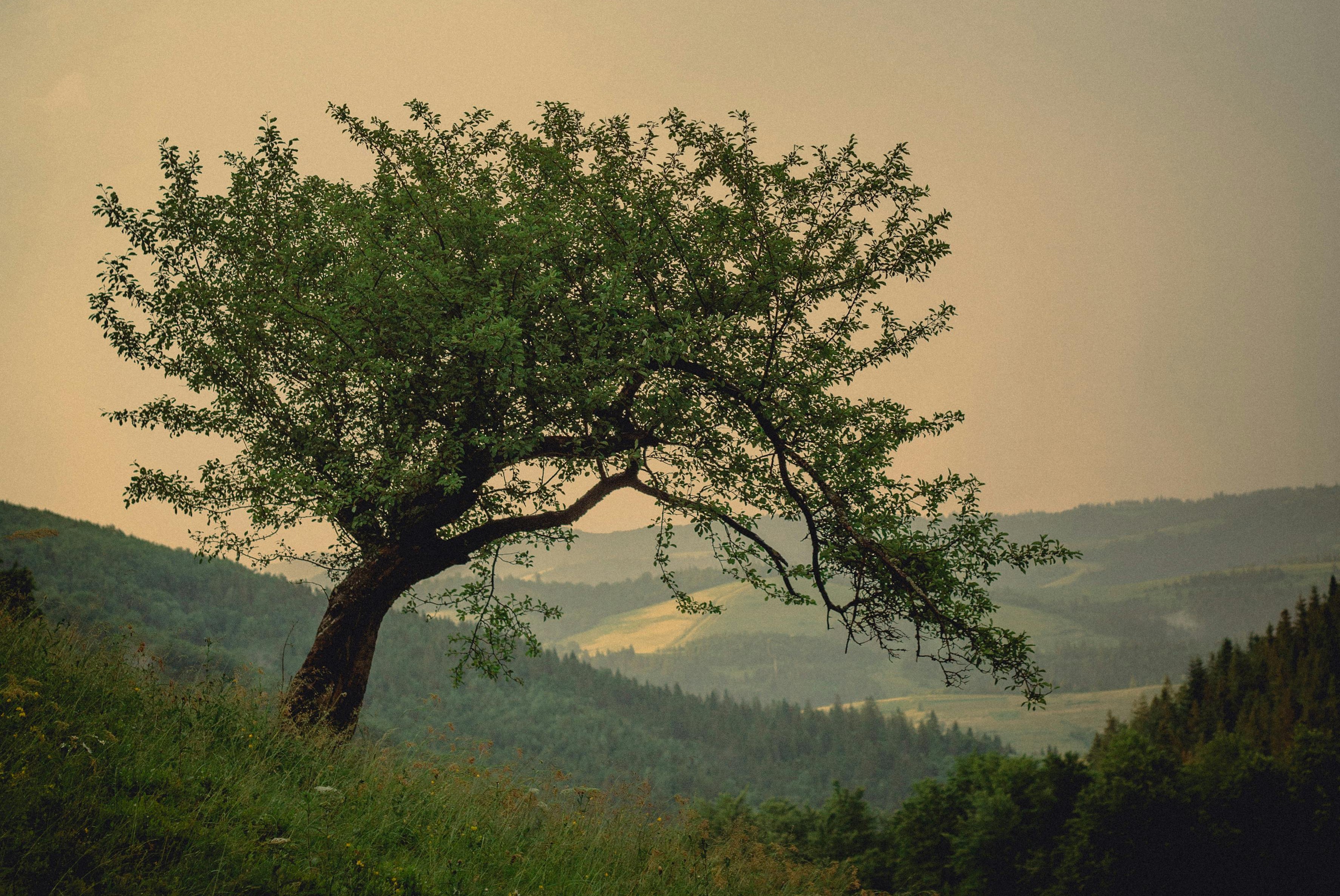
She’s tired, the nymph of this hill. Old, confined

where once there was water but is now dry.

Those fleeing lovers don’t seek her shelter.

Her hiding places vanished, tamed by stairs.


She’s known love—sapling young, wild gods gave chase.

She’d run. She practiced new ways to lose the race.


The people came—not slow—time is different

for demi-gods. No, few at first. They meant

nothing—an itch, a tickle. Watching their

games pleased her. More arrived, seeking shelter


and building shelters. A sudden city

appeared. All while she wasn’t quite looking.

A few knew her. They’d hear her. They could see.


Her hill holds her until time runs away.

She’s pleased by that. But no real gods come.

She wants balance, though. And worshippers, untrained

in some ways. She wants time to stay and come.


Bio

Mark J. Mitchell has been a working poet for 50 years. He’s the author of five full-length collections, and six chapbooks. His latest collection is Something To Be from Pski’s Porch Publishing. A novel, A Book of Lost Songs, is due out this spring. He’s fond of baseball, Louis Aragon, Dante, and his wife, activist Joan Juster. He lives in San Francisco where he points out pretty things.

Author's note

“Nympholepsy” began when I was cleaning out a vacant office at my day job and found a copy of The Little Oxford Dictionary in the 1934 edition. It was tattered and beautiful and I came across the word nympholepsy at the end of the browning “N” pages. I had never seen the word before.

I started to think about nymphs being eternal beings who are tied to places, and what that life would be like as the world spun around even after no one believed in them.

The nymph in this poem could be Daphne, eluding Apolllo, but I like to think she is the nymph of the park a couple of blocks from my home in beautiful San Francisco. I made this song, this carmina about her.

I feel the old gods and goddesses linger, and in special moments they come alive for us, briefly as a flash of green light at sunset.

This piece was previously published by Piker Press.