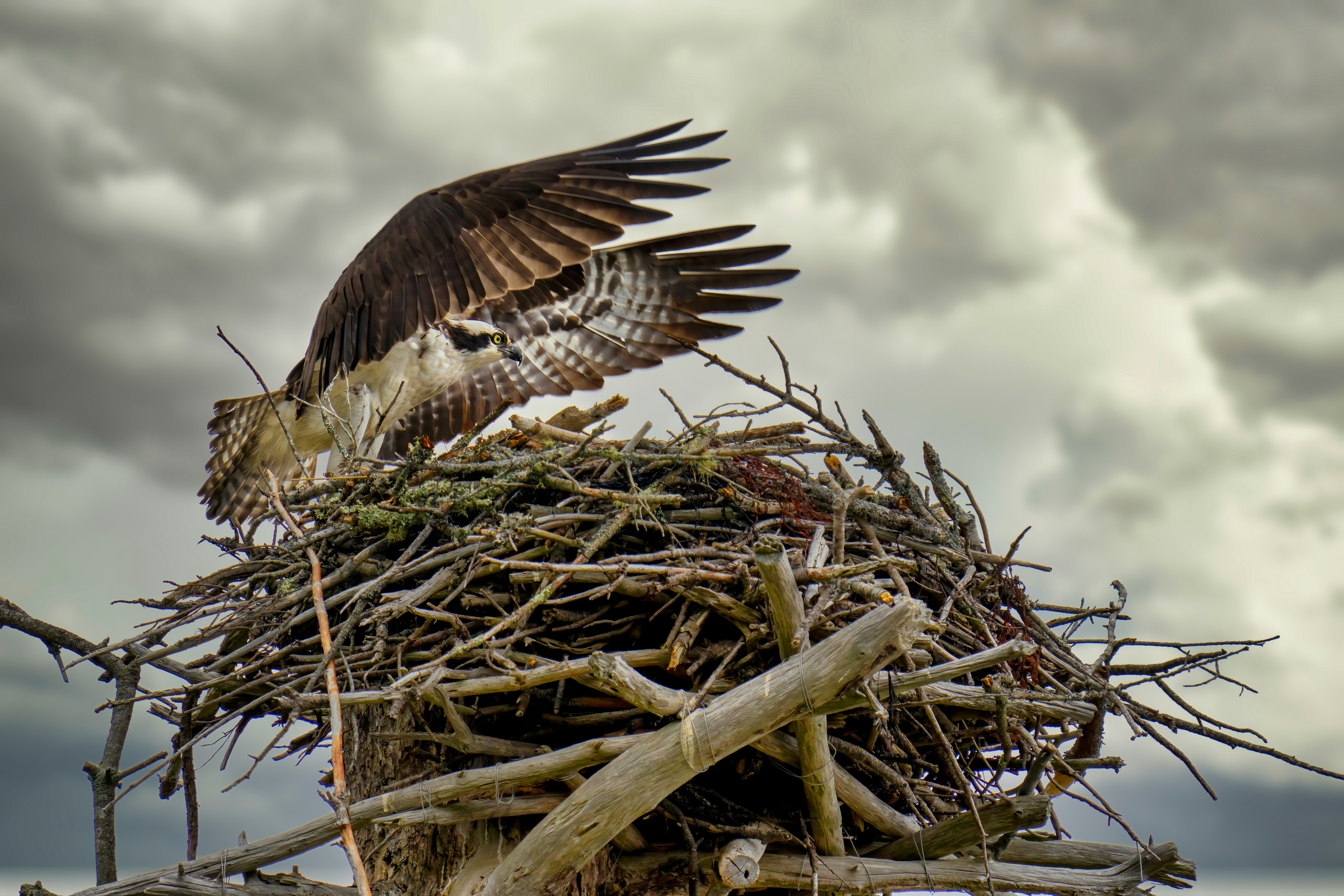
Photo by Skyler Ewing on Unsplash
Prometheus Rebound by Theodore Holmes
Every morning, the eagle returned.
Each night, he dreamt himself whole.
Pain was flux—Prometheus, its channel delta,
Above, Zeus’s oak twisted skyward,
its dendrites crackling with flame:
lightning arcs,
beaconing to the birds and muses.
The carrion-eaters circled.
An eagle broke from its perch—
talons sank,
beak shore flesh.
The sea ran blind-dark with blood.
His eyes—empty sockets.
Bound in night,
eagle-eyed seer,
he foresaw Typhon’s writhing fall—
myths unraveling into memory:
the cosmos rotting
from Logos,
to Eros,
to mother Chaos.
Some days, he fought.
Unseen ravens crowed:
“Death is a forlorn hope.
When the Caucasus crumbles,
the Furies will hover in our stead
over glass-blown plains.”
His fingers curled—reflex arcs,
an eternal spiral,
closing into a shaking fist.
Life was a nervous flinch.
“Why endure?
Why must I know that I endure?”
The eagle flayed his flesh.
But intellect scars the soul.
He honed his wits
on sand-flowing discs,
auguring Sunny Helios’ inconstant fall.
One dawn, he did not wake—
no eagle came.
No carrion-feasters.
Only wind,
scraping the promontory.
A wisp within Prometheus
expected a missing torture.
The adamant chains,
rusted by eons,
shuddered.
He rose—
temples thundering,
Titan heaving skyward,
joints grinding.
Blindness cleared.
Into white seer’s orbs,
he gazed beyond scorched membrane,
through reflecting nests of opal—
to the pearl of soul
beneath the flux of forms.
“Why must good dreams end?”
Reborn, we clutch the thin-veined embryo of hope,
but our dread remains an egg-eating serpent—
in a hatch of squawking eaglets born to die
by The Fates’ will,
bursting from the night,
bounded and rebounding.