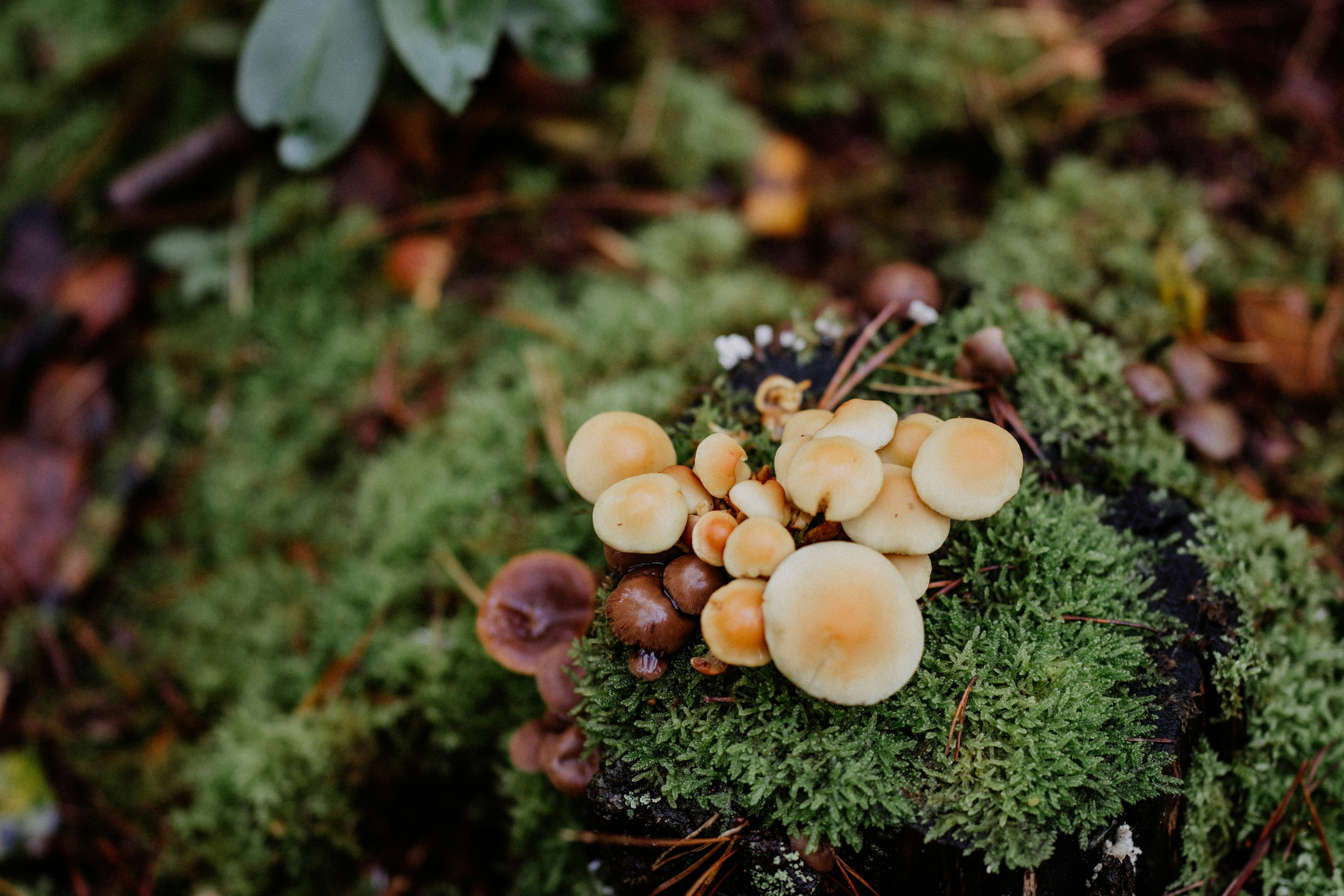
mushrooms rising out of green forest moss

Photo by Annie Spratt on Unsplash

The Tomb of the Dryad by Harris Coverley

From a Pagan:


lost within the forest yet unfelled,

scarred on its skin by smog and smoke:

the resting place,

the tomb of roots and yird

of whom they once called Silvatica,

green and free


to scrape away the earth and taste the sweetness,

you would be happy to suffer a mouthful of the primal

long sacrificed on a steel altar by those priests of Technique,

those who labelled natural liberty a curse on “Progress”


how many other green gods and goddesses,

spirits and elementals,

packed under the heels of men flesh and bone flawed

so they can welcome Spring with calendars and clocks

rather than checking the pulse of the sphere terrestrial?


a voice cries:

“there are no beautiful truths,

just the truth of the beauty we once had…”


Bio

Harris Coverley has had over two hundred poems published in journals around the world, including California Quarterly, Star*Line, Dwarf Stars, Spectral Realms, Scifaikuest, Sublimation, The Crank, Tigershark, View From Atlantis, Yellow Mama, and many others. He lives in Manchester, England

Author's note

I wrote "The Tomb of the Dryad" as an explicit response to Keats's "Ode on a Grecian Urn". A lot of readers focus on its notions regarding beauty and aesthetic limitation, but I was struck by Keats's sense of the permanent loss of an ancient culture and way of life as depicted upon the urn, which got me thinking about contemporary neo-primitivists, the historico-philosophical theories of Oswald Spengler, and other anti-modernists. To be clear: this poem is not an endorsement of such worldviews, merely an exploration of them. Given its mythic content and framing, Carmina seemed the perfect venue for it.